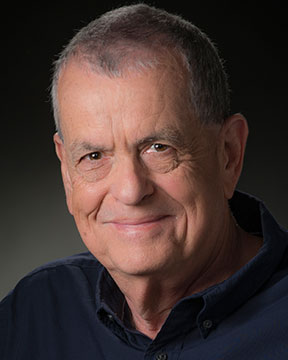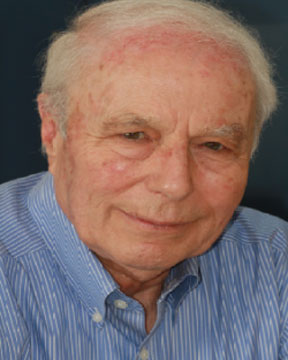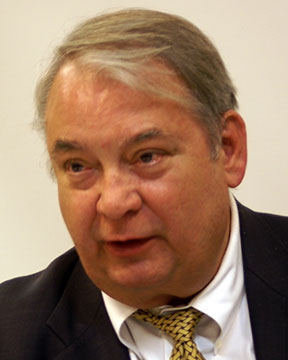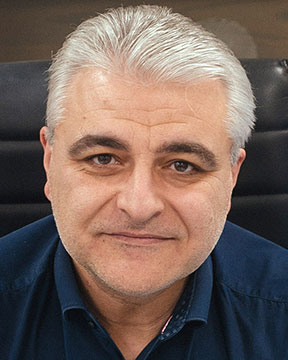

In Honor and Memory of Nobel Laureate Dr. Rudy Marcus
(Passed away on July 16, 2026)
(To Be Updated)
(Passed away on July 16, 2026)
(To Be Updated)


Adenine, a fundamental component of DNA and RNA, is widely used to establish experimental models of chronic kidney disease (CKD). Even short-term administration of very low-dose adenine in mice induces marked body weight loss and reductions in renal function markers. However, the systemic effects of adenine beyond the kidney remain insufficiently characterized. In this study, we investigated the whole-body impact of adenine administration and evaluated whether the antioxidant formulation TwendeeX could attenuate adenine-induced systemic inflammation.
C57BL/6 mice were fed a diet containing 0.125% adenine, with or without concurrent administration of TwendeeX. Body weight was monitored weekly, and metabolic function was assessed using indirect calorimetry to measure oxygen consumption. At the end of the experimental period, tissues and serum samples were collected for biochemical analyses.
Adenine-treated mice exhibited a significant decrease in body weight, accompanied by reduced oxygen consumption and spontaneous locomotor activity. Notably, these impairments were significantly ameliorated by TwendeeX administration. Histological analysis using hematoxylin and eosin staining revealed deposition of 2,3-dihydroxyadenine, a metabolite of adenine, in the kidney, as well as inflammatory changes in multiple organs.
These findings demonstrate that adenine, traditionally used as a CKD model inducer, also triggers systemic inflammation. Furthermore, TwendeeX effectively mitigates these adverse effects, suggesting its potential as a therapeutic antioxidant. Given that chronic inflammation is a major contributor to morbidity and mortality in aging populations, regular intake of TwendeeX may help extend health span through its anti-inflammatory properties.
Diabetes is a leading oxidative stress-related disease in modern society. Increased oxidative stress, chronic inflammation, and mitochondrial dysfunction lead to various complications and worsen patient prognosis. Furthermore, the shortening of telomere length—a marker of cellular lifespan—is a risk factor for the development of type 2 diabetes. While proper blood glucose management allows patients to expect a lifespan comparable to that of healthy individuals, management and treatment remain a significant burden for patients. Twendee X (TwX) is an antioxidant formulation composed of vitamins, amino acids, and CoQ10, for which international and Japanese patents have been obtained. In both animal models and humans, TwX has been shown to improve blood oxidative stress and provide mitochondrial protection, thereby reducing blood glucose peaks and insulin spikes during glucose loading. Furthermore, in a diabetic mouse model, telomeres were significantly longer than those in the control group. Furthermore, Twendee M (TwM)—a product that enhanced the antioxidant effects of Twendee X by adding seven additional ingredients—prevented systolic hypertension and cataracts associated with diabetes in a rat model. TwX and TwM improved symptoms of diabetes and its complications, as well as aging-related indicators, by reducing oxidative stress in the body and protecting mitochondria. It has been suggested that these supplements, which have no side effects in humans, have the potential to significantly contribute to improving the long-term prognosis of patients with diabetes.
References:BACKGROUND. Chronic liver disease is increasing globally, largely driven by the obesity epidemic. Metabolic dysfunction–associated steatohepatitis (MASH) and MASH-related hepatocellular carcinoma (HCC) arise in the setting of hepatocyte oxidative stress and exhibit a marked sex disparity, with a male predominance (~4:1). We have previously characterized an ATP1A1 (Na⁺/K⁺-ATPase α1)–dependent signalosome linking lipid-induced mitochondrial respiratory uncoupling to nuclear epigenetic reprogramming. This pathway regulates two critical “apoptotic switches”: an early transition from senescence to apoptosis associated with disease progression, and a late transition from senescence to uncontrolled proliferation associated with malignant transformation, mediated in part by the balance between SMAC and survivin. Furthermore, hepatocyte-specific ATP1A1 knockout (KO) mice spontaneously develop MASH and MASH-HCC. We hypothesized that inhibition of ATP1A1 signaling would attenuate MASH progression and HCC development, and that the early apoptotic switch exhibits sexual dimorphism.
METHODS. We performed integrated preclinical and translational studies using human HCC cell lines (Hep3B, SNU475), C57BL/6J mouse models of MASH and MASH-HCC, human liver tissue from surgical specimens, and plasma samples obtained under IRB-approved protocols. The effects of pNaKtide, a 33–amino acid peptide that disrupts the ATP1A1–Src interaction, were evaluated and compared with SW033291, a 15-PGDH inhibitor, and exercise under normal and high-fat diet conditions. Longitudinal body composition was assessed by Echo-MRI. Plasma metabolomics and glutathione profiling were performed using LC–MS/MS. Liver tissue was analyzed for NAFLD Activity Score (NAS), fibrosis, cellular senescence, apoptosis, and protein expression by ELISA or Western Blotting. Statistical analyses were conducted using GraphPad Prism and R.
RESULTS. In vivo, pNaKtide, SW033291, and exercise attenuated the early apoptotic switch in MASH and were associated with regression of fibrosis, accompanied by distinct metabolomic and signaling profiles (including Src, p53, and mTOR pathways, p<0.05). A significant sex dimorphism was observed, with higher apoptotic activity in females compared with males (p<0.01). In vitro/in vivo, pNaKtide induced dose-dependent apoptosis in malignant cells, resulting in a significant reduction in tumor burden (p<0.05). These effects were associated with normalization of ATP1A1–Src signaling through the PI3K–Akt pathway and modulation of downstream apoptotic regulators, including FoxO3. In human samples, SMAC and survivin expression patterns in liver tissue and plasma differentiated MASH from MASH-HCC (p<0.05), supporting their potential as translational biomarkers.
CONCLUSION. Targeting the ATP1A1 signalosome with pNaKtide, as well as modulation of prostaglandin metabolism with SW033291, significantly alters oxidative and metabolic pathways driving MASH progression. These findings identify a mechanistically grounded, potentially sex-specific therapeutic strategy and support further development of ATP1A1-directed interventions as a translational platform in MASH and MASH-related HCC.
Structure and flexibility of biological macromolecular depend on several factors, including temperature. Protein structure determination at a precise temperature is something many teams are still working around. In this lecture I will show progress in the field of protein structure determination at body temperature. Methods to grow protein crystals at 37°C and to collect X-ray diffraction data on these crystals at physiological temperature will be shown. The structures of metal-protein adducts deposited in the Protein Data Bank and obtained from data collected at 37°C will be analyzed and discussed [1-4].
References:Dysphagia is a significant issue, particularly as the global population ages rapidly. Brain damage from cerebrovascular lesions or neurodegenerative diseases can impair swallowing. Indeed, brainstem ischemia in the dorsolateral medulla and other regions results in severe swallowing disorders. This can ultimately lead to aspiration pneumonia. Reoxygenation during reperfusion after ischemic brain damage triggers oxidative reactions of reactive oxygen species (ROS) in and around the affected areas. These reactions can worsen neuronal damage. However, our understanding of the impact of ischemia-reperfusion on brainstem swallowing function and oxidative stress remains limited. To clarify the impact of brainstem ischemia and subsequent reperfusion on swallowing function and oxidative stress, we studied changes in swallowing motor activity and the balance of oxidative/antioxidative stress before, during, and after brainstem ischemia induced by transient unilateral vertebral artery (VA) clamping.
We monitored respiration and swallowing by recording the activity of the vagus, hypoglossal, and phrenic nerves in a perfused rat brainstem preparation. Swallowing was induced through electrical stimulation of the superior laryngeal nerve or oral water injection. We analyzed changes in swallowing-related motor activities and measured derivatives of reactive oxygen metabolites (d-ROMs) and biological antioxidant potential (BAP) in the perfusate to evaluate oxidative and antioxidative stress before, during, and after unilateral VA clamping. In some animals, we analyzed medullary tissue and measured its superoxide-scavenging ability. We also tested the effect of the antioxidant Twendee X® on changes in swallowing and the oxidative state induced by brainstem ischemia/reperfusion.
BAP levels were significantly increased following transient VA occlusion and tended to increase after reperfusion in the Twendee X® administration group. We also observed a slightly higher superoxide-scavenging ability on the intact side of the medulla oblongata.
Our findings suggest that brainstem ischemia and reperfusion alter swallowing function, altering the oxidative and antioxidative balance. Administration of Twendee X® may mediate swallowing function after brainstem ischemia/reperfusion by affecting this balance. Further studies are needed to confirm the usefulness of this treatment for ischemia/reperfusion-induced neuronal damage in the brainstem.
Reactive oxygen species (ROS) regulate intracellular signaling and inflammatory responses, whereas persistent redox imbalance contributes to endothelial dysfunction and cardiometabolic disease (1). Although polyphenols have traditionally been regarded as antioxidants, accumulating evidence suggests that their biological actions are context-dependent and influenced by dose, food matrix and the physiological redox status of the organism (2,3). We therefore investigated whether different polyphenol-rich interventions differentially modulate inflammatory and redox signaling in experimental cardiometabolic disease and whether these experimental findings are reflected in humans.
Obese Zucker rats were treated for six weeks with dried fruits of Cornus mas (Wild Type and Koralovij Marka varieties) at a dose of 5 g/kg/day, corresponding to 10 mg/kg total polyphenols GAE or with a concentrated Aronia melanocarpa extract at a dose of 57.9 mg/kg/day, corresponding to 25 mg/kg/day total polyphenols GAE. Inflammatory signaling (IL-6, NF-κB p65 phosphorylation and iNOS protein expression) together with structural cardiovascular alterations were evaluated in the heart and aorta. Based on its favorable anti-inflammatory and vasoprotective profile, the Wild Type Cornus mas variety was subsequently selected for a randomized placebo-controlled pilot study in 80 volunteers with dyslipidemia, receiving either 70 g/day of lyophilized Wild Type Cornus mas or lyophilized apple (placebo) for six months.
Obese Zucker rats exhibited marked activation of inflammatory signaling compared with lean controls. Supplementation with dried fruits of Cornus mas significantly reduced IL-6 levels, NF-κB activation and iNOS expression, indicating attenuation of inflammatory signaling and improved vascular homeostasis. In contrast, administration of a concentrated Aronia melanocarpa extract promoted myocardial fibrosis, thickening of the aortic wall and further activation of NF-κB and iNOS despite providing approximately 2.5-fold higher polyphenol intake. Based on these findings, Cornus mas (Wild Type) was selected for translational evaluation. In the clinical study, no significant differences were observed between intervention groups overall. However, stratification according to previous COVID-19 infection revealed that Cornus mas supplementation was associated with reduced plasma thiol concentrations and total antioxidant capacity in post-COVID individuals, suggesting altered redox responsiveness under conditions of persistent oxidative stress.
These findings demonstrate that polyphenol-rich interventions cannot be regarded as universally antioxidant or universally beneficial. Their biological actions depend on the type of preparation, dose, food matrix and baseline redox status. Whereas supplementation with whole fruits exerted predominantly anti-inflammatory and vasoprotective effects, a concentrated polyphenol extract induced adverse cardiovascular remodeling despite a substantially higher polyphenol content. Moreover, previous COVID-19 infection modified the biological response to Cornus mas supplementation, further supporting the concept that polyphenols primarily act as context-dependent modulators of inflammatory and redox signaling rather than simple radical scavengers. These observations highlight the importance of personalized and mechanism-based approaches when considering polyphenol-rich interventions for cardiometabolic disorders. Project: VEGA 2/0025/23, 2/0131/24, 2/0122/24.
References:Enhanced oxidative processes in vivo are known to accelerate pathological aging. Suppression of oxidative stress is therefore critical, and dietary intake of antioxidants—such as vitamins and polyphenols—has been widely emphasized. Antioxidant capacity has commonly been evaluated using the oxygen radical absorbance capacity (ORAC) assay based on AAPH-derived radicals. However, ORAC values are expressed as Trolox equivalents, raising concerns about how accurately they reflect true radical-scavenging activity.
In this study, we directly evaluated the radical-scavenging capacity of various antioxidants using electron spin resonance (ESR) spectroscopy. Hydroxyl radicals and peroxyl radicals were employed as target species. Both radical generation systems were established using novel methods developed in our laboratory, enabling highly reproducible and stable radical production over extended periods.
The antioxidants examined included eight vitamin E homologs (tocopherols and tocotrienols) as well as Trolox, a standard reference compound in ORAC assays. In addition, we investigated TwendeeX, a commercially available antioxidant formulation with reported high antioxidant activity and substantial scientific evidence.
Our findings provide a direct comparison of radical-scavenging activities across different antioxidants and offer new insights into the limitations of ORAC-based evaluation. These results highlight the importance of direct measurement approaches, such as ESR, for accurately assessing antioxidant function in biological contexts.
Depression is increasingly recognised as a disorder of impaired redox homeostasis and mitochondrial dysfunction, with elevated oxidative damage to lipids, proteins and nucleic acids reported in both clinical and preclinical studies. Regular physical activity of appropriate intensity can upregulate endogenous antioxidant defences, while excessive or unaccustomed exertion may aggravate oxidative stress. Normobaric hypoxia represents an additional, controllable stressor capable of inducing cross‑adaptation, including modulation of pro‑oxidant–antioxidant balance. Its potential as an adjunctive strategy in depression remains poorly characterised.
The aim of this study was to determine the effects of 6‑week moderate‑intensity training and/or passive normobaric hypoxic exposure on plasma markers of pro‑oxidant–antioxidant balance in women with depression.
Fifty‑eight women aged 25–40 years with diagnosed depression were randomly assigned to four groups: passive stay in normoxia, passive stay in normobaric hypoxia (FiO2 15.4%), cycling training in normoxia, and cycling training in normobaric hypoxia (FiO2 15.4%). Sessions (passive stay or cycling at 65% HRmax) lasted 1 hour, three times per week, for 6 weeks. Venous blood was collected before the first, second and final training/exposure session and 2 weeks after the end of the intervention. Plasma levels of protein oxidation (advanced oxidation protein products), lipid peroxidation (TBARS), nucleic acid oxidation, total antioxidant status (TAS), total oxidant status (TOS), and nitrite/nitrate were determined.
A transient enhancement of antioxidant processes was observed before the second session in both hypoxic groups, suggesting an early adaptive response to intermittent hypoxia. Before the final experimental day, TOS was reduced in the passive hypoxia, hypoxic training and normoxic training groups, indicating a net decrease in systemic oxidant burden. In addition, both training groups demonstrated lower TBARS concentrations, consistent with attenuation of lipid peroxidation.
Six weeks of moderate‑intensity aerobic training, with or without normobaric hypoxia, favourably modulated systemic redox homeostasis in women with depression, primarily through reductions in total oxidant status and lipid peroxidation. Intermittent normobaric hypoxia elicited an early antioxidant adaptation, supporting its potential as a safe hormetic stimulus. These findings suggest that structured exercise, particularly when combined with controlled hypoxic exposure, may represent a promising adjunctive strategy targeting oxidative stress–related mechanisms in depression.
Project “Training in normobaric hypoxia as a factor supporting pharmacotherapy of depression” (NdS-II/SP/0469/2024/01), financed by the Polish Minister of Education and Science under the programme “Science for Society II”.
References:Dysphagia is a common complication after brainstem injury and poses significant risks to nutrition and respiration, which could lead to aspiration pneumonia. Lateral medullary stroke (Wallenberg syndrome) causes severe dysphagia by directly impairing the swallowing central pattern generator (CPG). Reperfusion injury may further worsen neuronal dysfunction, possibly due to reactive oxygen species (ROS) in both damaged and surrounding tissues. Using antioxidant therapy to address oxidative stress may be a promising strategy for managing dysphagia after brainstem ischemia.
This study investigated the effects of Twendee MtcontrolⓇ, an antioxidant supplement with seven additional active ingredients added to Twendee XⓇ, on oxidative/antioxidative balance and swallowing function after brainstem ischemia/reperfusion. We demonstrated ischemia/reperfusion injury in rats by transiently occluding the unilateral vertebral artery (VA) to examine outcomes.
We assessed motor activities related to respiration and swallowing before, during, and after temporary VA clamping. Respiratory and swallowing activities were monitored by recording from the vagus, hypoglossal, and phrenic nerves. Swallowing was triggered either by electrical stimulation of the superior laryngeal nerve or by oral water administration. To evaluate oxidative and antioxidative stress, we measured reactive oxygen metabolites (d-ROMs) and biological antioxidant potential (BAP) in the perfusate across all stages. We also assessed the effects of Twendee MtcontrolⓇ on both oxidative/antioxidative balance and swallowing function after brainstem reperfusion.
After one hour of VA clamping, water-induced swallowing decreased. In the group treated with Twendee MtcontrolⓇ after reperfusion, both oxidative/antioxidative balance and swallowing frequency showed modest changes. These results suggest that Twendee MtcontrolⓇ may help reduce neuronal damage from ischemia/reperfusion and modulate swallowing function after brainstem injury.
Oxidative stress seems to be a key contributor to various conditions. It is possibly related to age-related olfactory decline, inflammatory sinus diseases, and neurodegenerative diseases. Moreover, the main pathways may include direct damage to olfactory sensory neurons in the epithelium. They also involve disruption of signal transmission in the olfactory bulb and impaired function of antioxidant systems. The vulnerability of the olfactory epithelium stems from its location within the nasal cavity. Here, it is directly exposed to environmental factors, including odorants, particulate matter, viruses, inflammatory cytokines, and ozone. In the olfactory mucosa and epithelium, detoxification and antioxidant systems, like glutathione and superoxide dismutase, protect against oxidative stress. Analysis of the cellular and molecular mechanisms of oxidative stress in the olfactory bulb suggests that it may contribute to age-related olfactory dysfunction.
Aging involves several mechanisms. There is decreased regenerative capacity of the olfactory epithelium and reduced numbers of olfactory nerve cells. There is also decreased plasticity of the olfactory bulb. Additional contributors include mitochondrial dysfunction, which impairs cellular energy production. Chronic inflammation promotes tissue damage. Oxidative stress may disrupt cellular homeostasis by increasing reactive oxygen species.
In chronic sinusitis, local inflammation and eosinophil-derived mediators are important. This is especially true in CRSwNP and eosinophilic inflammation. Epithelial damage also contributes to olfactory dysfunction. Increased mucus production and obstruction of the olfactory cleft may also contribute.
Persistent inflammation in the olfactory epithelium is important in post-COVID-19 smell loss. Immune cell infiltration also plays a role. These are more significant than direct damage to olfactory nerve cells or oxidative stress. While the authors note that oxidative stress has not been fully established as the main mechanism, they suggest it may act as a cofactor. It may also exacerbate symptoms alongside inflammation, mitochondrial dysfunction, and reduced antioxidant capacity.
In another context, olfactory dysfunction is recognized as a clinical biomarker in Parkinson's disease. Key molecular mechanisms have been proposed. These include neuroinflammation, an inflammatory response in neural tissue. They also include oxidative stress, an imbalance between free radicals and antioxidants. Neurotransmission abnormalities, or disruptions in nerve signaling, are also involved.
Taken together, these findings highlight the role of oxidative and antioxidative stress in regulating olfactory dysfunction in both basic and clinical settings.
The risk of neurodegenerative diseases, including Alzheimer’s disease, increases with aging. These disorders are characterized by extensive neuronal cell death; however, in the early stages preceding cell death, aggregates are formed along neurites, leading to impaired synaptic transmission. Multiple mechanisms have been proposed to underlie neurite degeneration, including membrane oxidation and destabilization of microtubules.
We have previously investigated the roles of calcium homeostasis disruption and mitochondrial dynamics in neurite degeneration. In the present study, we focused on the potential involvement of impaired autophagy in this process. To examine this, autophagosomes and autolysosomes were fluorescently labeled, and their localization was analyzed using a time-lapse imaging.
N1E-115 cells were cultured and induced to extend neurites, followed by treatment with hydrogen peroxide or ionomycin to trigger neurite degeneration. Optimization of staining conditions was challenging, as slight increases in the concentration of fluorescent probes led to morphological disruption of neurites. After careful optimization, successful a time-lapse imaging was achieved, revealing distinct differences in both spatial localization and temporal dynamics between autophagosomes and autolysosomes.
Ongoing studies include Western blot analysis of autophagy-related proteins to further elucidate the molecular mechanisms underlying neurite degeneration. These findings provide new insights into the role of autophagy dysfunction in early-stage neurodegeneration.
The discovery of melatonin as a multifunctional free radical scavenger and antioxidant along with its presence and synthesis in the mitochondrial matrix of peripheral eukaryotic somatic cells highlights a critical new perspective on the important role of this indole in preserving cellular and organismal health. Although the experimental evidence supporting these findings is substantial, some reports still question whether melatonin is a direct radical scavenger and are skeptical of its synthesis in the mitochondrial matrix. To overcome this hesitation, this review systematically analyzes the innovative experimental approaches used to verify melatonin’s radical scavenging actions and assesses the compelling data supporting its production in the mitochondrial matrix. Included among the direct and indirect techniques used to confirm melatonin as radical scavenger are electron spin resonance spectroscopy, pulse radiolysis, chemical scavenging of the ABTS.+ radical, quantum mechanical calculations, fluorescence probe studies, in vitro and in vivo reduction of oxidative stress reports, etc. Melatonin measurements in isolated mitochondria show that they are higher in this organelle than in other cellular compartments. The proteins for the two enzymes required to convert serotonin to melatonin (arylalkylamine N-acetyltransfrase and acetylserotonin O-methyltransferse) are present in the mitochondria matrix and when purified mitochondria are incubated with serotonin they synthesize melatonin. Melatonin’s presence in the mitochondrial matrix places it in the “damage radius” of highly reactive oxygen species such as the extremely corrosive hydroxyl radical which only travels several angstroms before it mutilates a foundational molecule. Extrapolation from well documented data garnered from plant cells indicates that mitochondrial melatonin synthesis in animal cells may be inducible under high oxidative stress conditions which would be of extreme importance in reducing molecular devastation in these pivotal organelles The review also summarizes the recently discovered novel actions of melatonin associated with its ability to regulate membrane fluidity, determine the molecular composition of membrane lipid rafts, and modulate liquid-liquid phase separation and biomolecular condensates intracellularly. The collective findings related to these actions and those documenting melatonin as a locally synthesized versatile free radical scavenger in the mitochondrial matrix positions this indole as a potentially key driver in the context of preserving mitochondrial redox homeostasis and disease mitigation.
References:Moving muscles is said to be beneficial for maintaining bodily homeostasis, physical strength, posture, and balance. Additionally, since it helps prevent lifestyle-related diseases and frailty associated with aging, moving muscles is important for overall health maintenance.
However, intense exercise that consumes excessive amounts of oxygen leads to a temporary increase in reactive oxygen species, reducing antioxidant capacity and thereby increasing oxidative stress. Furthermore, repetitive motions in sports such as baseball or golf and desk-based computer work that require maintaining the same posture for extended periods lead to excessive muscle tension by overusing the same muscles. This can result in muscle stiffness or pain. If chronic, it can cause severer muscle stiffness and impair physical performance. We hypothesized that muscle stiffness and pain result from chronic inflammation and considered oxidative stress to be involved.
While many acupressure massage devices are available on the market, many of them cause intense pain or are only effective on superficial stiffness due to their design. However, muscle stiffness cannot be alleviated unless the deep muscles are pressed. We developed a novel non-powered acupressure massager made of lightweight, hard plastic. Hard plastic changes shape when pressure is applied. Therefore, applying constant pressure to stiff muscles allows the surface muscles to relax, enabling the pressure to reach deeper layers. We measured oxidative stress levels before and after acupressure using this massager. In this presentation, the effects of the massager will be examined from the perspective of oxidative stress, based on the measurement results.
Advances in surgical management have markedly improved survival in patients with congenital heart disease (CHD), resulting in a growing population of long-term survivors. However, even in clinically stable patients, persistent hemodynamic abnormalities and chronic systemic stress often remain, particularly in those with complex CHD and Fontan circulation. In recent years, oxidative stress has been recognized as a potential contributor to myocardial dysfunction, endothelial injury, inflammation, and progressive heart failure in CHD. Several studies have suggested that oxidative stress is elevated in postoperative CHD patients and may not be fully reflected by conventional biomarkers such as BNP or NT-proBNP. This review summarizes current evidence regarding oxidative stress in CHD, especially in the late postoperative setting and Fontan physiology, and discusses the potential clinical significance of oxidative stress biomarkers including d-ROMs and biological antioxidant potential (BAP). We also present our preliminary clinical experience evaluating oxidative stress markers in postoperative CHD patients at our institution. Further investigation may help clarify the role of oxidative stress in long-term surveillance and risk stratification in patients with complex CHD.
References:Radiotherapy is one of the most common treatments for head and neck cancer. It is applied to the oral cavity, pharynx, and larynx, and causes several adverse effects including acute mucositis, dermatitis as well as late effects such as fibrosis of the pharynx, taste loss, dry mouth, etc. Specifically, fibrosis of pharynx and larynx will lead to dysphagia which can shorten the life of cancer survivors. It is important to reduce the acute inflammation of the pharynx and larynx to avoid future fibrosis. Fibrosis occurs after inflammation, thus the control of mucositis during radiotherapy should be warranted. Radiation causes oxidative stress which is useful to kill cancer cells but in mean time damage the healthy tissues. It is important to reduce oxidative stress to protect the pharyngeal mucosa, but in mean time, it is also important not to reduce the anti-cancer effects.
We have set up a rat model as a simulation of radiotherapy to the head and neck regions. The animals were seeded with squamous cell cancer into the skin of the back, and radiation was applied to the cancer and the oral cavity. Twendee X, strong antioxidant, was applied before and after the radiotherapy (TWX group), while placebo was applied to another group (control group). The animals were sacrificed 3 weeks after the radiation, and the acute mucositis of the oral cavity and anti-tumor effects on the back were evaluated. The results indicated fewer acute mucositis of the oral cavity in TWX group as compared to control, while there was no difference between the groups in terms of anti-tumor effects.
The current study suggests that antioxidant may reduce the acute and chronic adverse effects of radiotherapy, preserving the anti-tumor effects.
Hepatocellular carcinoma (HCC) is a leading cause of cancer-related mortality globally, often arising in cirrhotic livers due to chronic inflammation and exposure to environmental carcinogens. Sorafenib (SB), a multi-kinase inhibitor, is a treatment option for HCC patients ineligible for immunotherapy or with specific contraindications. However, its clinical use is compromised by limited efficacy and the development of resistance. Safranal (SF), a bioactive component of saffron possesses anti-inflammatory, antioxidant and anti-cancer properties, yet its potential in combination with SB remains unexplored. This study investigates the therapeutic efficacy of SF in combination with SB in a rat model of diethylnitrosamine (DEN)-induced cirrhosis-HCC that closely mimics the human disease. Male Wistar rats were randomly assigned to five groups: control, HCC, HCC+SB, HCC+SF and HCC+SF+SB. Treatments were administered for three weeks. Liver morphology, function, histology, apoptosis and cell proliferation were assessed. Additionally, a dual transcriptomics and metabolomics analysis was performed to elucidate the underlying mechanisms of action. Analysis of the gross appearance of the livers revealed that the combination therapy significantly inhibits hepatic nodule formation and restores normal liver architecture compared to monotherapies. Biochemical assessments confirmed improved liver function. Histopathological analysis showed substantial reductions in fibrosis, vacuolation and dysplastic nodules in the combination group. These effects were associated with decreased collagen deposition and reduced expression of α-smooth muscle actin (α-SMA) indicating attenuation of hepatic stellate cell activation. Immunohistochemical and western blot analyses showed enhanced apoptosis, pronounced anti-proliferative effects and induction of G2/M cell cycle arrest with combination therapy compared to monotherapies. Inflammatory markers, including TNF-α, NF-κB, COX-2, MMP9, and β-catenin (a key effector of the Wnt signaling pathway), were significantly downregulated in the combination group suggesting enhanced anti-inflammatory, anti-fibrotic and anti-metastatic effects compared to monotherapies. β-catenin level, a key regulator of the Wnt signaling pathway that drives tumorigenesis was also reduced in the combination. Transcriptomics and metabolomics profiling further revealed that combination therapy modulates pathways associated with apoptosis, inflammation and oxidative stress, while promoting metabolic reprogramming that enhances anti-tumor efficacy and activates hepatoprotective mechanisms. This study highlights the potential of SF in combination with SB as a promising putative therapeutic approach for HCC, particularly in the context of cirrhosis. The findings support further preclinical and clinical evaluation of this novel combination strategy for HCC.
References:Human hair serves functions such as protecting the head, providing insulation, and removing waste products, but it also has a significant impact in social and aesthetic contexts. Gray hair and hair loss are viewed as undesirable symbols of aging because they run counter to the desire to appear younger than one’s actual age. Gray hair occurs when melanocytes—the cells that produce melanin, the pigment that colors hair—become damaged and can no longer produce melanin. Hair loss, on the other hand, occurs when the hair growth cycle is disrupted by lifestyle factors, stress, or hormonal changes, making hair more prone to falling out or slowing the growth of new hair. It can also be caused by COVID-19 infection, vaccine side effects, or thyroid disorders. Both graying and hair loss, including their contributing conditions, are known to be associated with oxidative stress and mitochondrial damage. Twendee X and Twendee Mtcontrol are antioxidant supplements composed of vitamins, amino acids, and CoQ10, and have been granted international and Japanese patents. These supplements have passed pharmaceutical-grade safety tests and have been proven to reduce oxidative stress and protect mitochondria. In this presentation, using antioxidant data from both supplements, as well as survey results and case studies from human subjects, we will examine the potential for antioxidant treatment of gray hair and hair loss, including the related diseases.
References:The pontine respiratory group (PRG) is the kernel for the regulation of breathing rhythm, with mutual interconnection with various respiratory neurons in the brainstem. In addition, the PRG regulates initiation and motor modulation of swallowing. These important roles of the PRG in coordinating respiratory and swallowing function are crucial for maintaining homeostasis. Furthermore, the deterioration of the oxidative and antioxidative balance caused by local brain damage may contribute to the dysfunction of neuronal systems. As such, PRG dysfunction may be involved in the oxidative and antioxidative balance affecting respiratory-swallowing coordination. Based on this, we investigated the relationship between PRG inhibition and the oxidative/antioxidative balance in a rat perfused brainstem preparation.
We recorded the activity of the vagus, hypoglossal, and phrenic nerves to monitor respiration and swallowing. Additionally, a multi-electrode array was used to record respiratory and swallowing-related neurons in the dorsal medulla.
The microinjections of a GABA agonist were performed bilaterally in the PRG. Changes in respiratory rhythm and motor activities were analyzed, and we measured derivatives of reactive oxygen metabolites (d-ROMs) and biological antioxidant potential (BAP) to evaluate levels of oxidative and antioxidative stress before and after the lesion.
The post-inspiratory activity of the vagus nerve was inhibited, and activity patterns of swallowing were altered following the PRG inhibition. BAP levels increased after PRG inhibition, while d-ROMs levels decreased.
The PRG contributes to mediating glottal adduction and controlling post-inspiratory activity. Inhibition of the PRG may provide a compensatory effect on oxidative and antioxidative stress. Our data suggest that the PRG maintains respiratory and swallowing homeostasis, which may be involved in regulating the oxidative and antioxidative balance.
The gut microbiota (GM) forms a complex ecosystem comprising trillions of resident bacteria, symbiotic microorganisms, and even pathogenic microorganisms, and exerts a significant influence on health and disease. Although the GM remains relatively stable throughout adulthood, individual variability increases with aging, and both diversity and stability decline. Alzheimer's disease (AD), a representative age-related disorder, has advanced age as its primary risk factor; it is well known that, in addition to increased oxidative stress (OS), the composition of the GM changes in AD. Furthermore, in diabetes—a representative oxidative stress-related disease—disruptions in the GM have been reported to cause insulin resistance and chronic inflammation, indicating a close relationship between OS and the GM. We administered the citrus fungicide orthophenylphenol (OPP) for two weeks to rats that had been treated with the antioxidant supplement TwendeeX (TwX) for one week prior, to investigate the effects of TwX on the GM. TwX administration suppressed the increase in OS caused by OPP, and we confirmed an increase in GM diversity and in Akkermansia, a bacterium with anti-inflammatory properties. An increase in butyrate-producing bacteria was also observed. In this presentation, we will also report on the effects of TwX on quality of life (QOL) and the gut microbiota in healthy individuals, based on the results of a survey questionnaire.
References:In recent years, Japan’s total population has been declining, and the rate of decline is accelerating. One possible contributing factor is the increasing prevalence of infertility. While infertility has traditionally been attributed primarily to female factors, approximately half of all cases are caused by male factors. In addition to the trend toward later marriage and childbirth, other potential causes include diets high in additives, increased pesticide use, and changes in lifestyle and living environments. Oxidative stress (OS) has been identified as a contributing factor to this trend. We examined changes in the sperm, testes, and cauda epididymis of rats exposed to OS over a long period by administering Orthophenyl phenol (OPP), a fungicide used on citrus fruits. Long-term OPP exposure resulted in a tendency toward increased OS levels in the sperm, testes, and cauda epididymis, with a particularly significant increase observed in the sperm. Furthermore, Claudin1, a tight junction-associated protein in the testes and cauda epididymis, showed a decreasing trend, suggesting that the rise in OS could lead to testicular dysfunction and impaired spermatogenesis. In contrast, the group that received the antioxidant supplement Twendee X (TwX) suppressed the effects of OS. In this presentation, we will report on the effects of OPP-induced OS elevation on male function, as well as the results of a questionnaire administered to men and women struggling with infertility after they took TwX and Twendee Mtcontrol (TwM)—which contains seven additional ingredients—for six months to one year.
References:Recent studies suggest that oxidative stress may modulate airway defense reflexes, including cough, sneezing, and swallowing. Reactive oxygen species (ROS) could affect sensory endings in both the upper and lower airways. ROS could also act on neurons in the brainstem respiratory centers and cranial motor nuclei. These actions may contribute to hypersensitivity, abnormal reflexes, and impaired coordination of cough, respiration, and swallowing. In addition, oxidative damage to the respiratory tract and vocal folds can cause dysphagia, weakened cough, and voice disorders.
Moreover, emerging evidence suggests that disruption of the oxidation/antioxidant balance affects the excitability of sensory nerve endings. These changes can result in either hypersensitive or diminished airway protective reflexes. These mechanisms have significant clinical implications, linking dysphagia, aspiration pneumonia, respiratory muscle dysfunction, and altered cough to both inflammation and oxidative stress. Despite advances in elucidating airway defense reflexes in humans, therapeutic strategies remain constrained by incomplete mechanistic understanding. While evidence supporting mechanisms for cough and vocalization is relatively robust, knowledge regarding swallowing and sneezing primarily derives from preclinical or indirect studies.
In summary, this review synthesizes current advances demonstrating that oxidative stress may serve as a pivotal mediator of age-related, inflammatory, infectious, hypoxic, and environmental perturbations in airway defense reflexes. Oxidative stress could undermine the proper execution of protective airway reflexes essential for maintaining airway patency and preventing aspiration. Future research is needed to clarify the precise molecular targets and to establish the clinical efficacy and safety profiles of antioxidant strategies, which may ultimately offer novel therapeutic avenues for patients at risk of ROS-induced dysfunction of airway protective mechanisms.
Vocal fold surgery is applied to variety of vocal fold lesions including polyp, nodule, cyst, and cancer. The aim is to improve voice particularly in case of benign diseases, but poor wound healing occasionally leads to scarring of the mucosa which results in dysphonia. It is important to preserve as much tissues as possible, however it is difficult to predict the wound healing in each case. There has been no useful way to avoid scarring after the surgery. Oxidative stress is one of the main causes that make wound healing worse and then lead to scarring. We have found that antioxidant can reduce reactive oxygen species after vocal fold injury, avoiding long-term scarring, using animal models.
In the current clinical study, the effects of Twendee X, a strong antioxidant, on preserving the mucosal function after vocal fold surgery were examined using patients who received vocal fold surgery for several vocal fold lesions. The patients were randomly divided into 2 groups: TWX group and control group. TWX group was treated with TWX before and after the surgery. The results indicated significant early improvement of vocal fold vibratory function at 1 month and 3 months after the surgery in TWX group as compared to control group. The results suggest that TWX may be useful for better wound healing after the vocal fold surgery.